
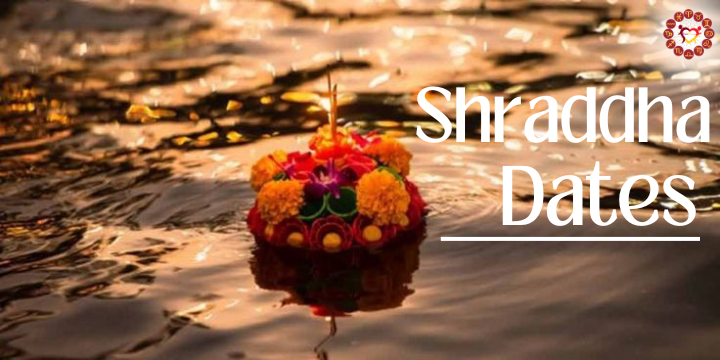
Shraddha dates are sacred days in the Hindu calendar, mainly dedicated to the worshipping of departed ancestors through certain rituals. In this way, they are marked to provide peace, merriment, and spiritual growth to the departed souls. Rituals of Shraddha, mainly occur during Pitru Paksha, which comprises 15 days, and are also observed on individual tithis or lunar days for specific ancestors. These rites provide prosperity, peace, and protection to the living relatives.
Therefore, the performance of shraddha rituals signifies gratitude towards the ancestors as well as giving due regard to their works thus ensuring that the souls have rest in peace. The offerings made during the rituals are meant to help the ancestors achieve moksha, or liberation from the cycle of rebirth. By observing these dates, people respect their family’s heritage and maintain a bond between the living and the dead, which promotes spiritual growth and family bonding. It is highly auspicious in Hinduism.
Importance of Shraddha Dates

Shraddha dates are spiritually significant because they help to calm down the souls of ancestors so that they are peaceful. It is believed that when Shraddha rituals are performed, the ancestors achieve moksha, which is liberation from birth and death. In Hinduism, the bond between the living and the dead is regarded as sacred, and performing Shraddha rituals is considered an important way to respect and honor deceased ancestors. These rituals are also believed to confer spiritual benefits on the family, including cleansing past karmic debts and purifying the energy of the family.
Culturally, Shraddha rituals strengthen family bonds as they give the living members of the family an opportunity to come together to honor their ancestors. The observance of such rituals also helps in maintaining family traditions as well as a sense of unity and continuity across generations. Shraddha dates ensure the welfare of the family by acquiring blessings from the ancestors as well as overall prosperity and peace in the life of the family.
Rituals and Practices of Shraddha Dates

The rituals to be performed on Shraddha dates include some vital steps to ensure that proper respect is given to the ancestors. First comes the preparation of the home, which includes cleaning the house and setting up an altar for the offerings. All the necessary items, including sesame seeds, barley, water, fruits, flowers, and other symbolic offerings, are collected. These are placed on the altar as a means of inviting the ancestors’ blessings.
These rituals are normally carried out by the eldest son or another close member of the family. Food, water, and prayers are offered to the ancestors in a Shraddha ceremony, accompanied by the recitation of mantras, rituals such as Pinda Daan or offering food to the ancestors and Tarpan or offering water, and other customs. While the specific tithis or lunar days for the shraddha ceremonies depend upon the death anniversaries of the ancestors, these ceremonies assume immense importance on special days such as Pitru Paksha and Mahalaya Amavasya. Following the proper rituals and practices, devotees ensure that the deceased ancestors receive peace, blessings, and spiritual upliftment.
Benefits of Shraddha Dates

The family is believed to gain several benefits by performing Shraddha rituals on the designated dates. One of the major spiritual benefits is that it ensures peace for the departed souls. The rituals are believed to aid the ancestors in achieving moksha, thereby freeing them from the cycle of birth and rebirth. For the living family members, Shraddha rituals are believed to bring prosperity, health, and harmony. It is believed that the blessings of ancestors will protect and guide the family towards well-being and success in different walks of life.
Emotionally, it helps to observe these dates. This ritual provides closure to the family to remain in touch with their ancestors after death. These rituals maintain unity within the family as the members come together to worship their legacy and uphold crucial traditions. Through the performance of Shraddha, one also washes away old karmas, thereby cleansing the energy of the family, thereby paving the way for the continuous advancement of spiritual growth.
Stories and Legends of Shraddha Dates

Shraddha dates and rituals have strong roots in Hindu mythology where many stories and legends can be seen talking of the relevance of this important function. Of these stories is Karna’s charity at the time he performed his Shraddha ceremony. Here Karna is a respected personage who, as narrated in Mahabharata, paid great homage to his antecedents as a mode of offering for Shraddha, believed to benefit his next life.
Pitru Paksha, an event also very relevantly connected to Shraddha, which consists of 15 days during which offerings to the ancestors are done, concludes on its final day as Mahalaya Amavasya. Thus, Shraddha’s performance on the final day is said to be highly propitious. This means that according to the stories in the Hindu pantheon, not even the God of Death has ever done Shradhdha on account of not offering homage to his antecedent fathers.
Key Takeaways
1. Shraddha rituals are very important to keep the living and the dead connected. It makes sure that the souls that have left are peaceful, and they receive blessings for moksha.
2. This process helps in removing past karmic imprints, promoting spiritual growth for both the ancestors and the family.
3. The family also benefits from prosperity, health, and protection as it is believed that the blessings of the ancestors secure well-being among the living.
4. Observance of shraddha dates is an integral part of a culture that strengthens the bonding within families and ensures ancestral tradition through the ages.
5. The emotional closure from such rites also enables families to hang on to the relationship they might have with their dead dear ones.
6. Thus, as people carry out these acts, they fulfill their spiritual, as well as family, responsibility, and thus continue and grow with the family over time.
Overall, Shraddha dates are all about the honoring of ancestors, seeking their blessings, and ensuring that the spiritual connection between generations remains strong.